

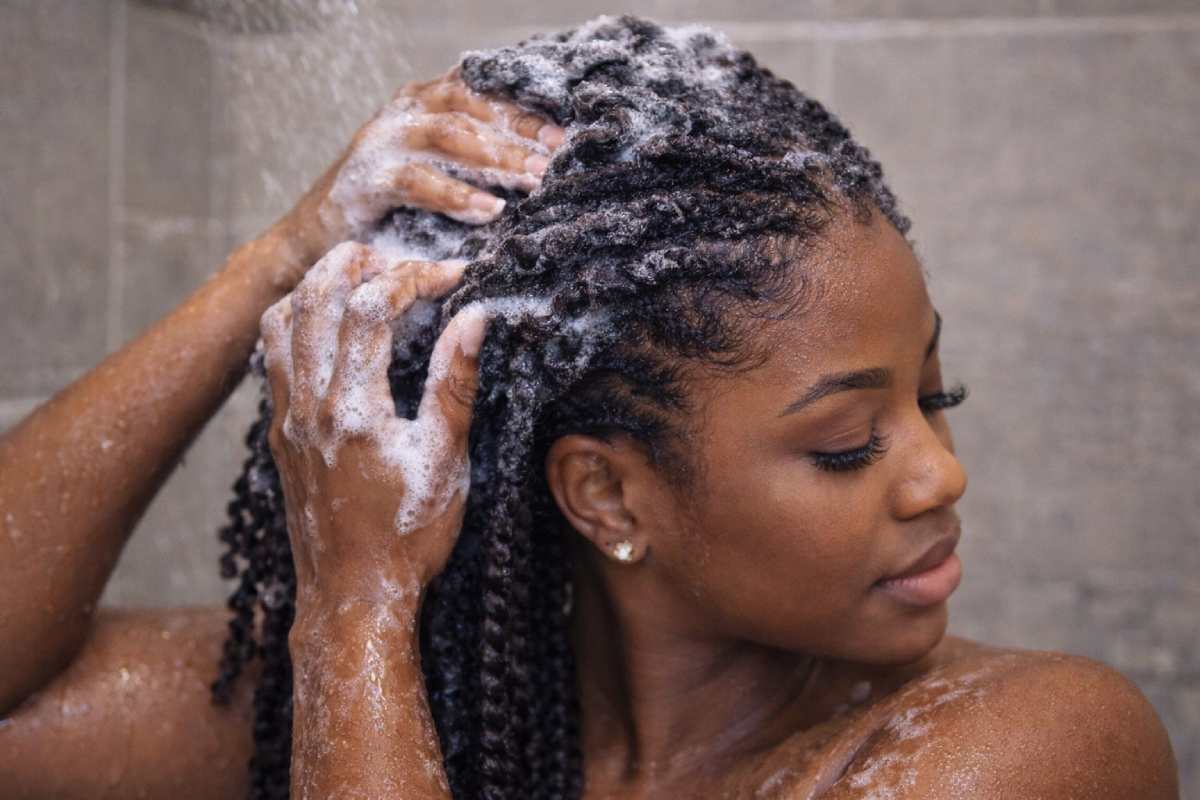
How to Wash Twists Without Frizz – Step-by-Step Natural Hair Guide
If you’ve ever tried washing twists and ended up with frizz, unraveling, or dryness, you’re definitely not alone. Learning how to wash twists without frizz is one of the biggest challenges for anyone wearing protective styles.
The good news? With the right method, you can keep your twists clean, hydrated, and neat — without ruining your style.
Let’s walk through the exact expert-approved process.
Why Washing Twists Is Important
Many people avoid washing twists because they fear frizz or unraveling. But dermatologists emphasize that keeping the scalp clean while wearing protective styles is essential to prevent buildup, irritation, and even infection.
Experts also recommend washing textured hair about once a week or every couple of weeks to maintain scalp health and moisture balance.
Skipping washes can lead to:
- Itchy scalp
- Odor buildup
- Dry, brittle hair
- Breakage during takedown
So yes — washing twists safely is necessary.
What Causes Frizz When Washing Twists?
Understanding the cause helps prevent it.
Common reasons:
- Rough scrubbing
- Heavy shampoo application
- Overhandling twists
- Hot water damage
- Improper drying
Another key factor: tight or heavy protective styles can cause tension-related hair loss if not properly cared for.
Gentle care is essential.
Step-by-Step: How to Wash Twists Without Frizz
Step 1: Prep Before Washing
Preparation makes all the difference.
What to do:
- Secure twists loosely with hair ties (optional)
- Detangle exposed roots gently
- Apply lightweight oil to ends
This minimizes friction during washing.
Personally, prepping my twists first always reduces post-wash frizz dramatically.
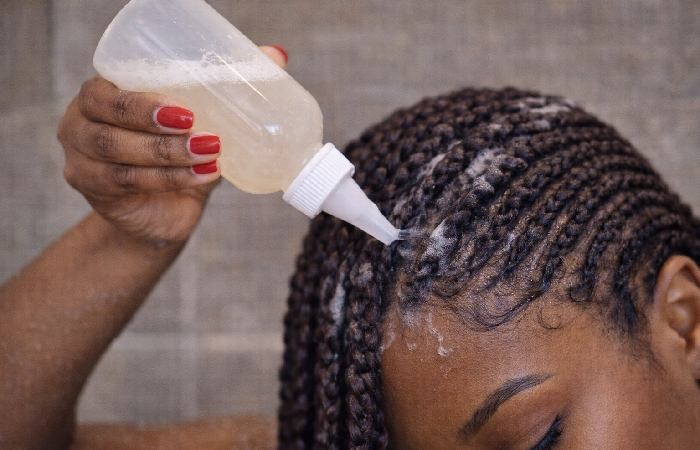
Step 2: Dilute Your Shampoo
Never apply shampoo directly.
Instead:
- Mix shampoo with water in an applicator bottle
- Use sulfate-free formula
- Focus on scalp, not twists
Dermatologists specifically recommend diluted shampoo to cleanse the scalp while minimizing frizz in braided or twisted styles.
This is probably the single most important tip.
Step 3: Clean the Scalp Gently
When washing:
- Use fingertips, not nails
- Massage lightly
- Avoid twisting hair while cleansing
Remember:
You’re washing your scalp, not scrubbing your twists.
This prevents unraveling.
Step 4: Rinse Carefully
Use:
- Lukewarm water
- Downward motion
- Low pressure
Never pile twists on your head.
This keeps twists intact.
Step 5: Condition Strategically
Conditioning is tricky with twists.
Best method:
- Apply lightweight conditioner to lengths
- Focus on moisture retention
- Avoid heavy buildup
Healthy moisture balance prevents dryness and breakage.
Step 6: Dry Properly
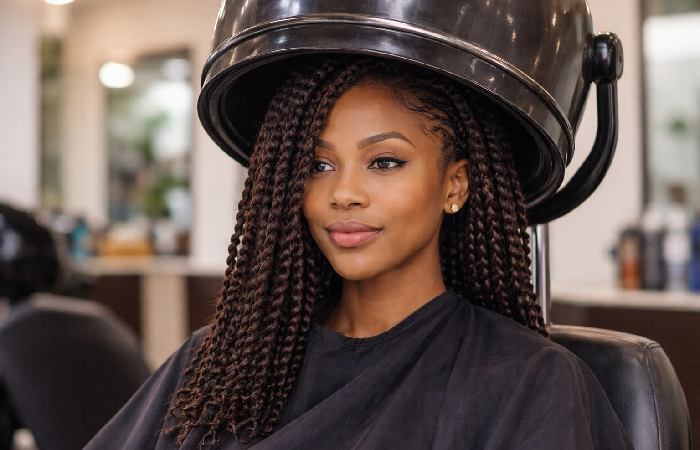
This step prevents mildew, odor, and frizz.
Best drying methods:
- Microfiber towel squeeze
- Hooded dryer
- Air dry with patience
Experts emphasize fully drying protective styles to avoid scalp problems.
Never sleep on wet twists.
Cleaning the scalp with a protective style safely
If full washing feels too much:
Try these in between:
- Scalp cleansing sprays
- Witch hazel wipes
- Diluted apple cider rinse
- Light scalp oils
Regular cleansing prevents buildup.
Prevent Twists From Unraveling
Here’s what works consistently:
Before washing:
- Twist loosely at roots
- Avoid heavy manipulation
After washing:
- Use mousse or styling foam
- Retwist edges lightly
- Wrap hair overnight
These steps keep twists neat longer.
Twist Hairstyle Maintenance Tips
Simple habits keep twists fresh.
Daily care:
- Satin bonnet or pillowcase
- Light oil mist
- Avoid excessive touching
Weekly care:
- Gentle scalp cleanse
- Moisturizing spray
- Edge care
Consistency matters more than products.
Common Mistakes That Cause Frizz
Avoid these:
- Washing too aggressively
- Using thick shampoos
- Skipping drying
- Leaving twists in too long
- Excess product buildup
Protective styles should still be maintained regularly.
Best Protective Hairstyles for Hair Growth
Twists are popular because they:
- Reduce manipulation
- Protect ends
- Retain moisture
Protective styling supports hair health when done properly.
But remember:
Protection ≠ with zero maintenance.
Myths About Washing Twists
Myth 1: Don’t wash twists
False — scalp hygiene is essential.
Myth 2: Washing ruins twists
Incorrect technique causes frizz, not washing itself.
Myth 3: Protective styles grow hair faster
They help retain length, not speed growth.
Who This Guide Is For
Perfect for:
- Natural hair beginners
- Protective style lovers
- People with dry scalp
- Twist hairstyle wearers
Maybe avoid if:
- Twists are already extremely loose
- Scalp infection present (consult a professional)
Personal Beauty Expert Insight
From experience working with protective styles, the biggest game-changer is diluted shampoo, followed by gentle drying. Most frizz issues come from rushing wash day or using too much product.
Trust the process.
Frequently Asked Questions
How often should I wash twists?
Usually every 1–2 weeks, depending on lifestyle.
Can washing cause frizz?
Only if done aggressively.
Should I deep condition twists?
Light conditioning works better.
Can twists help hair growth?
They help retain length, not accelerate growth.
How do I reduce itch?
Regular scalp cleansing and hydration.
Also Read About:
- Protective hairstyles for hair growth
- How to protect thin edges
- Hair breakage prevention tips
- Best hair growth oils
Final Conclusion
Learning how to wash twists without frizz is essential if you want healthy, natural hair, neat protective styles, and strong edges. With gentle cleansing, diluted shampoo, proper drying, and consistent maintenance, you can keep your twists fresh while protecting your hair growth journey.
Wash smart — not less. Your hair will thank you.