

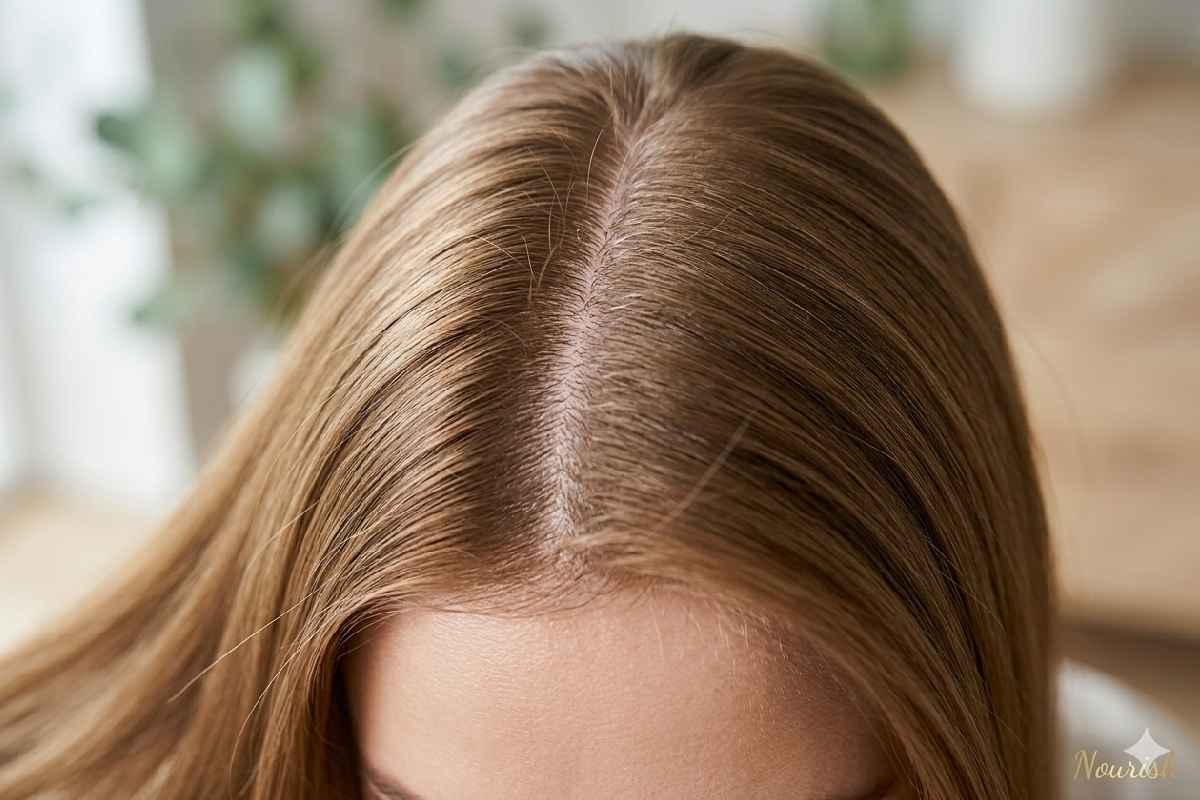
6-Step Hair Care Routine for Faster Growth
A focused hair care routine for faster hair growth starts at the scalp. Prioritize gentle cleansing, regular scalp massage, balanced nutrition (iron, vitamin D, protein), weekly deep conditioning, and growth-friendly boosters like amla or peppermint oil. Scalp stimulation and correcting deficiencies are the most evidence-backed ways to support longer, thicker hair over time.
6-Step Hair Care Routine for Faster Growth (Full Guide)
Hair care routine for faster hair growth begins with a simple idea: healthy hair grows from a healthy scalp. If you want your hair to grow faster and stronger, start by treating the scalp like skin — keep it clean, well-nourished, and free from buildup. This article gives a practical, research-backed 6-step routine you can follow weekly and daily, plus the science behind what works, what’s promising but not proven, and exact schedules you can adopt.

Why Scalp First? (Scalp care is essential to your hair care routine)
Healthy hair growth begins at the scalp. The scalp houses hair follicles that cycle through growth (anagen), transition (catagen), and rest (telogen) phases; anything that disrupts that environment — inflammation, excess oil, fungal buildup, or clogged follicles — can shorten the anagen phase or increase shedding. That’s why daily scalp hygiene and periodic exfoliation are foundational to a growth-focused routine. (Harvard Health Publishing)
Scalp care includes gentle cleansing, removing product buildup, and maintaining a normal oil balance. Over time these habits reduce irritation and create a healthier micro-environment for follicles to function. Regularly clearing sebum and residues lets the follicle open and receive oxygen and nutrients more effectively.
Finally, protecting the scalp from physical and UV damage is part of good scalp care: avoid tight hairstyles that pull on follicles (traction), and use scalp-friendly sun protection or hats when exposed to direct sunlight.
Step 1 — Cleanse & Clarify (gentle shampooing; avoid stripping the scalp)
A clean scalp is the base of any hair growth plan. Use a gentle, sulfate-free shampoo that removes sweat, dirt, and styling product without stripping natural oils. For most people, washing frequency should match scalp oiliness and hair texture: daily for very oily scalps, every 2–3 days for normal hair, and once weekly (or co-washing) for dry, curly, or coily hair. The American Academy of Dermatology and major clinics advise tailoring wash frequency to your needs rather than following strict “always wash X times” rules.
Once or twice a month add a clarifying or exfoliating scalp step (e.g., a mandelic- or salicylic-acid scalp treatment or a gentle clay mask) to remove buildup that can clog follicles. Exfoliating the scalp helps rebalance the microbiome and reduce flaky buildup that may impair hair emergence. Use scalp exfoliants sparingly (monthly to biweekly) and avoid harsh physical scrubs on inflamed scalps.
Step 2 — Stimulate the Scalp (daily massage + targeted oil massages)
Mechanical stimulation of the scalp increases blood flow and may influence follicle biology. A standardized daily scalp massage (even 3–4 minutes) performed consistently has been shown in human studies to increase hair thickness over months — researchers found measurable increases in thickness and changes in gene expression linked to growth after regular scalp massage. The benefits are subtle but meaningful when done long-term.
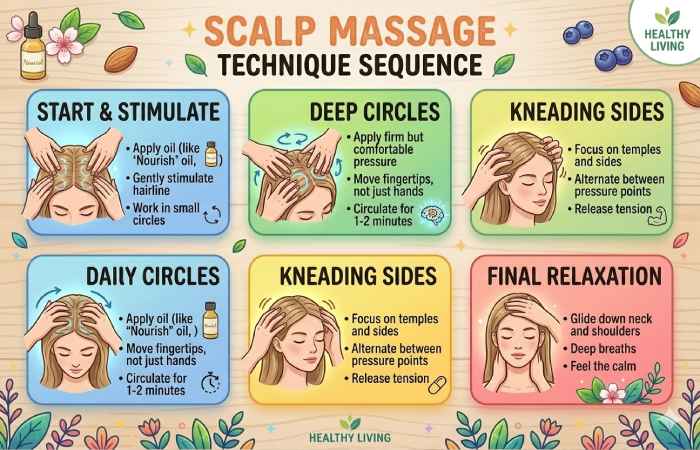
You can use fingers or a soft scalp massager; press with the pads of your fingers, move in small circular motions across the entire scalp, and add a gentle lift at the follicles. For a more intense protocol, add a 5–10 minute oil massage (see Growth Boosters below). Scalp massage not only stimulates follicles but also helps spread natural oils and break up light surface buildup.
Step 3 — Weekly Treatments (deep conditioning + protein balance)
Once a week, do a focused treatment for moisture and strength: a deep conditioner or hair mask for mid-lengths and ends, and a light scalp treatment where appropriate. If your hair is chemically treated or heat-styled, alternate hydrating masks with protein-rich treatments to maintain elasticity and prevent breakage — hair length is often limited by breakage, not follicle growth rate.
Use leave-in conditioners or low-build-up oils on the ends to lock in moisture and reduce friction during styling. Avoid heavy oils on the scalp unless you wash them out later; heavy occlusive oils can trap sebum and products at the roots, causing buildup. For clarifying wash days, follow with a nourishing mask to restore softness without weighing hair down.
Step 4 — Nutrition & Supplements (fix deficiencies first)
Internal nutrition matters. Hair follicles are metabolically active; they need protein, iron, vitamin D, zinc, and B-vitamins to function. Low ferritin (iron stores) and vitamin D deficiency are both commonly associated with hair thinning and delayed regrowth; correcting deficiencies often improves shedding and thickness. Clinical reviews link low vitamin D and low iron with various hair disorders, though supplementing only helps when a real deficiency exists. Always test and treat under medical guidance.
Practical nutrition tips: get adequate protein (lean meats, eggs, pulses), include iron-rich foods paired with vitamin C for absorption, ensure vitamin D via sensible sun exposure or supplementation if levels are low, and consider a balanced multivitamin or targeted supplement (iron, vitamin D, zinc) only after lab confirmation. Biotin supplements help only in rare biotin-deficient cases — most people don’t need high-dose biotin.
Step 5 — Growth Boosters (evidence-backed botanicals & topicals)
Some topical agents show promise; others are anecdotal. Peppermint oil produced stronger hair growth than controls in animal studies and is an inexpensive topical that may increase microcirculation — human data are limited but growing. Use diluted essential oils (e.g., 0.5–2% peppermint oil in a carrier like jojoba) and patch-test first to avoid irritation.
Amla (Indian gooseberry) has recent clinical evidence showing benefit in female pattern hair loss when used orally in a formulated product; traditional topical use of amla oil also appears to support hair health in lab and animal studies. These botanicals may help by reducing oxidative stress and supporting the anagen phase, but expect modest gains over months rather than overnight results.
Avoid miracle claims: minoxidil and prescription therapies have the strongest clinical backing for androgenetic hair loss; botanical boosters are supportive adjuncts rather than replacements for proven medications when significant thinning exists.
Step 6 — Reduce Damage & Protect (heat, chemicals, and traction)
Faster visible length largely depends on preventing breakage. Limit heat styling, use heat protectants when you must blow-dry or flat-iron, and avoid chemical overprocessing. Tight hairstyles (ponytails, buns, braids under tension) can cause traction alopecia — opt for loose styles and soft fasteners.
Also protect hair and scalp from UV damage: long sun exposure can weaken hair fibers and inflame the scalp; use a scalp sunscreen spray or wear hats during strong sun exposure. Finally, sleep on a silk or satin pillowcase to reduce friction and breakage overnight.
Weekly Routine Schedule (easy to follow)
| Day | Focus |
| Monday | Gentle shampoo + scalp massage (5 min) |
| Wednesday | Co-wash or conditioning (if hair dry) |
| Friday | Clarifying wash or scalp exfoliation (monthly-biweekly) |
| Saturday | Deep conditioning mask on lengths |
| Daily | Short scalp massage (2–4 min) + protective styling |
This schedule is a template — adjust frequency by hair type and lifestyle (exercise, climate).
Growth-Friendly Ingredients & What They Do
| Ingredient | Role |
| Peppermint oil (diluted) | Stimulates circulation (preclinical/human emerging) |
| Amla (oral/topical) | Antioxidant, may prolong anagen phase (some RCT evidence). |
| Biotin | Supports keratin in deficiency only |
| Keratin/protein masks | Strengthen damaged hair shafts (external) |
| Hyaluronic acid/ glycerin | Hydration for hair shaft and scalp |
| Salicylic/mandelic acid (scalp) | Gentle exfoliation to remove buildup and unclog follicles (product dependent) |
Product Suggestions (categories and safe picks)
Instead of endorsing single miracle products, choose trusted formulations with clear ingredient lists:
- Gentle sulfate-free shampoo — look for hydrating surfactants + mild clarifiers.
- Scalp treatment / serum — products containing niacinamide, peptides, or botanical extracts; use per label.
- Clarifying treatment — occasional AHA/BHA scalp products (mandelic, salicylic) for buildup days.
- Deep conditioner / protein mask — alternate hydration and protein masks depending on hair damage.
- Carrier oils — jojoba, fractionated coconut oil, or grapeseed oil for dilution of essential oils.
Always patch test topical boosters and stop any product that causes itching or redness.
Common Mistakes That Slow Growth (and how to fix them)
- Over-washing or under-washing — find a sweet spot for your scalp type; too much washing dries hair, too little causes buildup that may irritate follicles.
- Treating length not scalp — conditioners and masks help ends, but scalp health rules follicle performance. Prioritize scalp care first.
- Relying on supplements without testing — supplement only when tests show deficiencies; unnecessary high doses can be harmful.
- Excessive heat and tight styling — reduce heat, use protectants, and loosen styles to prevent traction damage. (DermNet NZ)
Fix these and you’ll see fewer broken hairs and better retained length over months.
Realistic Expectations & Timeline
Hair growth is slow: average scalp hair grows ~0.3–0.4 mm per day (≈1–1.2 cm per month) and genetics sets much of the pace. A consistent routine focusing on scalp health and breakage prevention typically shows visible improvements in 3–6 months (thickness, less shedding), with more noticeable length gains after a year. Botanical boosters and massage support improvements but are not instant cures; plan for steady progress.
FAQs
Q: Will scalp massage make hair grow faster overnight?
A: No — benefits are gradual. Regular scalp massage over months has been shown to increase hair thickness and affect follicle gene expression. Expect slow, steady improvements.
Q: Can I use peppermint oil every day?
A: Use diluted peppermint (0.5–2% in a carrier) and patch test first. If tolerated, occasional or weekly application is common; daily use may irritate sensitive scalps.
Q: Does biotin help hair growth?
A: Only if you have a biotin deficiency. Most people get enough from diet; high-dose biotin is rarely needed and may interfere with lab tests.
Q: How often should I deep-condition?
A: Once a week for most people; more for chemically treated or heat-damaged hair. Alternate hydration and protein masks per hair needs.
Q: Which supplements truly help?
A: Correcting iron or vitamin D deficiency can help hair recovery. Multi-ingredient hair supplements can support overall health but should be used after discussing labs with a clinician.
Final Notes (safety & practical tips)
- Patch test botanicals and essential oils.
- See a dermatologist if you have sudden, severe shedding, patchy hair loss, or signs of scalp infection.
- Treat measurable deficiencies (iron, vitamin D) under medical supervision — supplements without testing can be ineffective or risky.